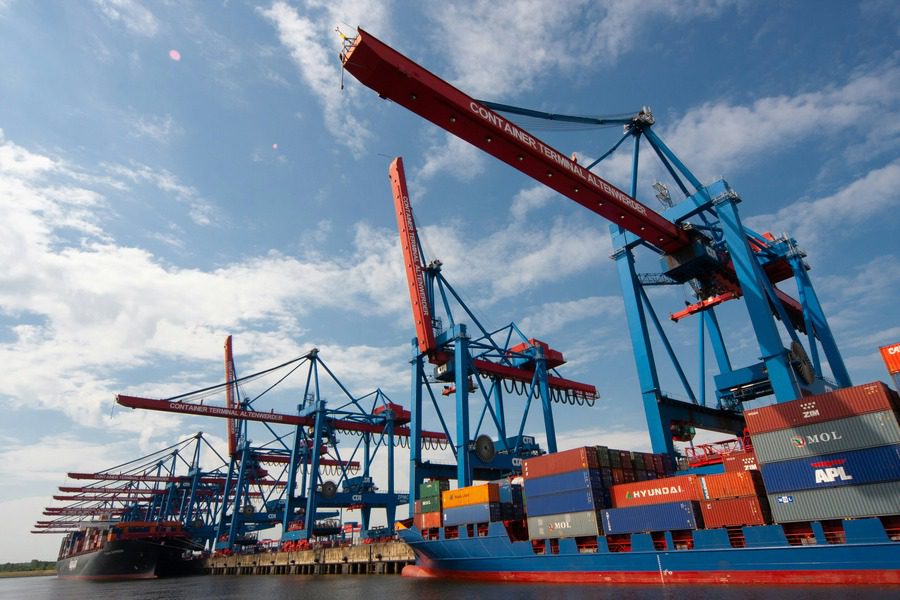

Foreign investors can register an Indonesian foreign-owned limited liability company (PT PMA) to import and trade goods by selecting the appropriate KBLI 2025 classifications, incorporating the company, obtaining an NIB through OSS, and completing the importer, customs, and product approvals required for the goods being traded.
Can a Foreign Investor Establish a Trading Company in Indonesia?
Many wholesale trading activities are open to foreign investment, allowing a PT PMA to import goods and sell them to Indonesian distributors, retailers, or business customers. However, foreign ownership eligibility depends on the specific KBLI registered by the company.
Setting up an Indonesian trading company? Contact MAP Resources Indonesia at info@mapresourcesindonesia.com
Retail activities require closer review because foreign investment conditions can differ according to the products and type of retail activity. Investors planning to combine importing, wholesale distribution, and retail sales should check the investment rules applicable to each activity before incorporating the company.
A foreign company that does not need its own Indonesian trading entity can instead appoint a local distributor or importer. This avoids establishing a PT PMA but gives the overseas company less direct control over importing, inventory, local contracts, and distribution.
A representative office is not an alternative for a business that intends to import and sell goods in Indonesia because its permitted commercial activities are more limited.
How Much Capital Does a Trading PT PMA Need?
A trading PT PMA generally requires at least IDR 2.5 billion in issued and paid-up capital per company. This is separate from the company’s investment value, which is generally required to exceed IDR 10 billion, excluding land and buildings at the business premises, with the exact calculation depending on the business activity. Foreign investors can assess both amounts when determining their PT PMA capital requirements.
The IDR 2.5 billion paid-up capital requirement applies per PT PMA rather than separately to each KBLI registered by the company.
How to Register a Trading PT PMA
The first step is to define the products the company will trade and select the appropriate classifications under KBLI 2025. The KBLI affects foreign ownership eligibility and the licenses or approvals the company may need.
The shareholders then establish the PT PMA through a deed of establishment executed before an Indonesian notary. The company obtains legal entity status through the Ministry of Law.
The company then registers through the Online Single Submission (OSS) system and obtains a Business Identification Number (NIB). Obtaining an NIB does not necessarily mean the company has completed every licensing requirement needed to begin trading.
Additional business licenses or approvals depend on the company’s activities and their risk classification. Product-specific requirements can apply separately from the company’s general trading authorization.
What Does a Trading Company Need to Import Goods?
A trading PT PMA that imports goods must have the appropriate importer and customs access. For importers, the NIB also serves as the company’s Importer Identification Number (API) and is used for customs access, subject to the applicable customs registration requirements.
The requirements also depend on what the company imports. Food, cosmetics, pharmaceuticals, electronics, and other regulated goods can require product registration, Indonesian National Standard (SNI) certification, BPOM approval, technical verification, or other approvals before importation or sale.
The requirements for entering Indonesia’s import-export sector vary by product, making the HS classification and applicable product approvals important before the first shipment.
What Taxes and Import Costs Apply?
A trading PT PMA is generally subject to Indonesia’s 22% corporate income tax rate on taxable profits. Importing goods can also create VAT, customs duty, and other import-tax liabilities, depending on the product and transaction.
For most non-luxury taxable goods, Indonesia’s current VAT mechanism produces an effective VAT burden of 11% through the applicable tax-base calculation. Qualifying luxury goods can be subject to the full 12% VAT calculation.
Import costs also depend on the product’s HS classification, customs value, country of origin, and whether a preferential tariff is available under an applicable trade agreement. Incorrect classification or valuation can change the amount payable when the goods enter Indonesia.
What Must the Company Do After Registration?
A foreign-owned trading company must file Investment Activity Reports (LKPM) in accordance with the reporting requirements applicable to the company.
Need support with your trading PT PMA? Contact MAP Resources Indonesia at info@mapresourcesindonesia.com
An importing company must also maintain the customs, tax, and product approvals required for its activities. Adding new product categories or changing how goods are sold can require the company to review its KBLI classifications and existing approvals before making the change.
Register a Trading Company with MAP Resources Indonesia
MAP Resources Indonesia helps foreign investors establish PT PMAs for trading and determine the licensing required to import and sell products in Indonesia. Contact us at info@mapresourcesindonesia.com to discuss your planned trading activities.