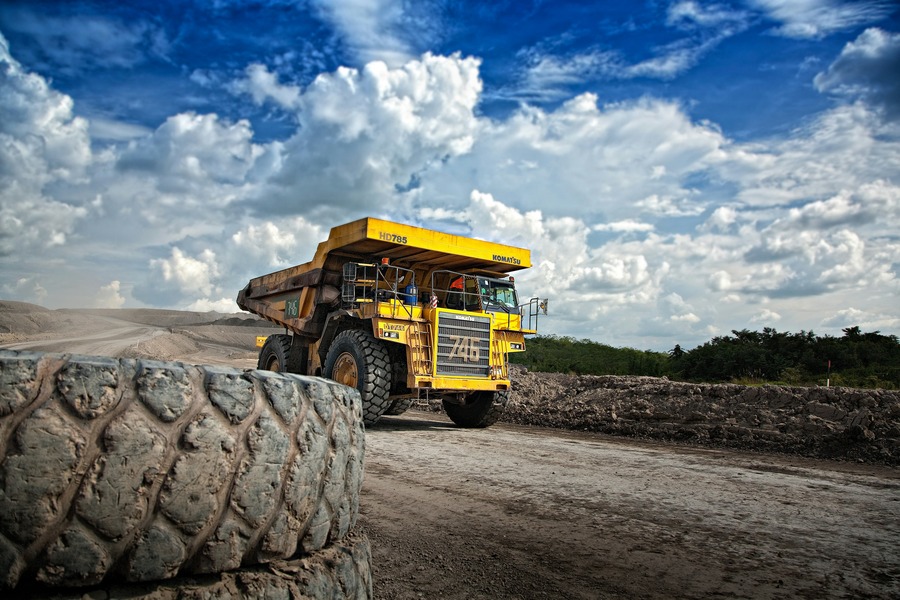

Foreign investors can participate across much of Indonesia’s mining and downstream value chain, from extraction through to industrial production. The rules that apply change according to where the investment sits in that chain and whether the company holds the underlying mining rights.
Which Mining Activities Can Foreign Investors Enter?
Foreign investors can participate in the exploration and production of metallic minerals, non-metallic minerals, and coal through a foreign-owned investment company, or PT PMA. Foreign investment can also extend to separately regulated mining services, including drilling and specialist support activities, without the service company holding rights to extract the mineral.
Assess the ownership and licensing structure for your Indonesian mining project. Contact MAP Resources Indonesia at info@mapresourcesindonesia.com
For companies that intend to extract minerals or coal, the next requirement is access to the relevant mining area and the corresponding mining license. A Wilayah Izin Usaha Pertambangan (WIUP) defines the area for which a Mining Business License (IUP) can be granted. Certain mining areas instead use the WIUPK and Special Mining Business License (IUPK) framework.
How Can a Company Obtain a Mining Area?
Indonesia revised the allocation framework in 2025, allowing certain metallic-mineral and coal mining areas to be allocated through priority mechanisms to specified applicants, including eligible downstream projects.
For example, a company developing an integrated mineral project that requires ore for downstream processing could potentially qualify for priority allocation of a metallic-mineral WIUP. The company must meet the applicable requirements, which can include a downstream development plan, domestic industrial raw-material supply, employment of Indonesian workers, technology development, and sufficient project capital.
Securing a mining area and license does not by itself determine how much the company can produce. Production remains subject to an approved Rencana Kerja dan Anggaran Biaya (RKAB), or work plan and budget, with the applicable procedures amended again in June 2026.
How Does Foreign Ownership Change Over the Life of a Mining Investment?
A production-stage IUP or IUPK holder with foreign shareholders is subject to gradual divestment requirements. At least 51% of the company’s shares must ultimately be held by Indonesian participants, with the timetable depending on the mining method and whether the operation is integrated with processing or refining facilities.
| Mining operation | Integrated processing/refining | 51% Indonesian ownership reached from start of production |
|---|---|---|
| Open-pit | No | Year 15 |
| Open-pit | Yes | Year 20 |
| Underground | No | Year 20 |
| Underground | Yes | Year 25 |
The requirement applies to the mining license holder. An investor establishing a standalone downstream facility without holding the underlying mining license can therefore have a different ownership position.
Can Foreign Investors Own Smelters and Mineral Processing Facilities?
Foreign investors can participate in mineral processing, smelting, and refining through standalone facilities sourcing third-party feedstock, without owning the mine supplying the minerals.
Structure your Indonesian processing or smelting investment with MAP Resources Indonesia. Email info@mapresourcesindonesia.com
For metallic minerals, processing or refining carried out through another company can qualify as integrated with the mining operation where the IUP or IUPK holder owns at least 30% of that company directly or indirectly, the interest cannot be diluted, and sufficient mineral reserves are available to meet the facility’s operating needs.
How Do Foreign Investment and Downstream Rules Differ by Mineral?
Foreign investment opportunities extend across different stages of Indonesia’s mineral value chains, although processing, export, licensing, and ownership requirements vary by commodity.
| Mineral | Foreign-investment opportunities |
|---|---|
| Nickel | Mining, smelting/refining, battery materials, and other downstream nickel products |
| Bauxite | Mining, alumina production, aluminum, and downstream products |
| Copper | Mining, concentration, smelting/refining, and downstream copper products |
| Tin | Mining, smelting/refining, and processed tin products |
| Gold and silver | Mining, processing/refining, and refined precious metals |
| Iron and manganese | Mining, processing/smelting, and downstream industrial products |
Foreign-investment eligibility does not remove commodity-specific processing and export requirements. Commodity-specific rules can require minerals to undergo domestic processing before export, while the requirements for processed products vary by mineral and product form.
How Far Can Foreign Investors Move Downstream?
Foreign investment can extend beyond smelting and refining into activities that use processed minerals as industrial inputs. Nickel products can feed battery-material production, for example, while alumina can be converted into aluminum and refined copper into copper products.
As the activity moves further from mineral extraction, its regulatory classification can change. KBLI 2025 distinguishes between mining activities and further processing: Category B for Mining and Quarrying covers extraction and certain activities that prepare mined material for sale, including crushing, cleaning, drying, sorting, beneficiation, and concentration of metal ores. Further processing of extracted materials falls outside Category B and into Category C for manufacturing.
Set up your Indonesian downstream investment with MAP Resources Indonesia. Contact info@mapresourcesindonesia.com
The distinction can therefore separate different stages of a single mineral value chain. Production of non-ferrous base metals such as aluminum, copper, zinc, and tin from ore and other materials, for example, is classified within Category C rather than Category B.
Indonesia began implementing KBLI 2025 through its risk-based licensing framework in 2026, including through the OSS and AHU systems.
Contact MAP Resources Indonesia for Mining and Downstream Investment
MAP Resources Indonesia supports foreign investors entering Indonesia’s mining and downstream sectors by structuring investments around the ownership, licensing, and operating requirements applicable to each project. Contact us today at info@mapresourcesindonesia.com to explore investment opportunities.