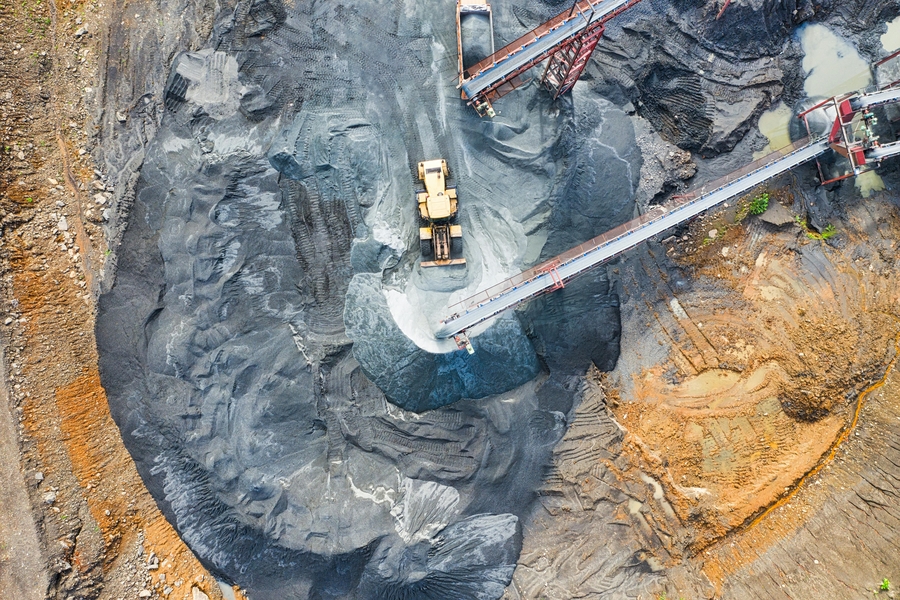

Indonesia is the world’s largest producer of nickel, a critical material for stainless steel and electric vehicle (EV) batteries. The country’s abundant nickel reserves and supportive government policies make it an attractive destination for investors looking to capitalize on the growing demand for nickel. However, navigating regulatory frameworks, infrastructure challenges, and environmental considerations is essential for successful market entry.
Investors looking to enter Indonesia’s nickel sector can explore a range of opportunities across upstream, midstream, and downstream activities. Understanding strategic factors and market entry approaches is key to navigating this rapidly evolving industry.
Indonesia’s Nickel Industry: Market Position and Growth Potential
Indonesia holds the largest nickel reserves in the world, with over 21 million metric tons, accounting for 22% of global reserves. The country’s annual nickel production exceeds 1 million metric tons, contributing significantly to the global supply chain. The Indonesian government’s push for downstream processing has led to a surge in investment in nickel smelting and EV battery production. The growth trajectory remains strong, driven by rising demand from the EV and stainless-steel industries.
Investment Surge and Economic Impact
Since the implementation of the export ban on raw nickel ore in 2014, Indonesia has attracted significant foreign investments. By 2022, the value of nickel-related exports had surged to nearly USD 30 billion, up from $6 billion in 2013. This influx of investment has driven the expansion of nickel smelting operations, increasing the number of smelters from 13 in 2020 to a projected 30 by 2023. Major companies such as China’s Tsingshan Holding Group and South Korea’s Hyundai and LG have played a key role in this development. These investments have not only boosted export revenues but have also stimulated economic growth in nickel-rich regions like Sulawesi and Maluku.
Smelter Investments and Future Developments
Between 2023 and 2024, investments in smelters in Indonesia are projected to reach USD 11.6 billion (approximately IDR 182.3 trillion), contributing to the development of 16 new smelters. Seven of these smelters are dedicated to nickel, with a total investment of USD 2.67 billion. Five of these nickel smelters have already been operational since 2023. The Indonesian government continues to focus on integrating the supply chain between mining and smelting, involving stakeholders in downstream policies, and fostering the development of advanced industries to maximize economic benefits.
Expanding Indonesia’s EV Battery Industry
Indonesia’s electric vehicle battery industry is rapidly evolving, with substantial investments and developments shaping its future. The country aims to produce EV batteries with a total capacity of 140 GWh per year by 2030, which will account for between 4% to 9% of global demand.
Indonesia’s vast nickel reserves are a key driver of EV battery production. To strengthen its position as a global leader, Indonesia is actively developing an integrated EV supply chain and aims to be among the top three EV battery producers by 2027.
In line with its commitment to domestic manufacturing, the government has introduced Local Content Requirements (LCR) for the EV industry, emphasizing the need for domestically produced batteries. The LCR for batteries is set at 35%, highlighting the government’s strategy to boost local production and enhance the industry’s global competitiveness.
Regulatory Framework and Investment Climate
Investors must navigate Indonesia’s regulatory landscape, which includes the 2020 Nickel Export Ban, mandating domestic processing of nickel ore before export, favoring local refining investments. Foreign investors must register under a PT PMA (Foreign-Owned Limited Liability Company) and comply with industry-specific regulations. The government offers Special Economic Zones (SEZs) that provide tax incentives, import duty exemptions, and infrastructure support. Additionally, local content requirements encourage partnerships with Indonesian firms to boost domestic industrial capabilities.
Government Incentives for Nickel Investments
To attract foreign investors, the Indonesian government provides various incentives. Tax holidays grant up to 20 years of corporate income tax exemption for large-scale investments in nickel refining and processing. Import duty exemptions apply to raw materials, machinery, and equipment for nickel processing in designated zones. Investment allowances reduce taxable income for companies engaged in nickel processing and battery manufacturing. Infrastructure development initiatives also support the construction of roads, ports, and power plants near nickel mining areas.
Key Investment Opportunities in Indonesia’s Nickel Sector
Upstream Sector: Mining and Resource Development
Opportunities exist in greenfield and brownfield projects, focusing on the exploration and extraction of high-grade nickel ore. Many existing mines seek foreign capital to expand production. Additionally, investments in technology modernization improve efficiency and reduce environmental impact.
Midstream Sector: Nickel Refining and Processing
Nickel refining and processing provide further investment opportunities. Nickel Pig Iron (NPI) production is essential for stainless steel, while ferronickel smelting facilities continue expanding, with over 30 smelters in operation. High-Pressure Acid Leaching (HPAL) projects are gaining traction, producing battery-grade nickel for the EV sector.
Downstream Sector: EV Batteries and Stainless Steel Manufacturing
Indonesia is emerging as a major hub for EV battery production, with significant investments from companies like CATL. The stainless-steel industry is another growing market, offering high demand for nickel-based alloys. Expansion into nickel sulfate and other value-added products also presents lucrative investment opportunities.
Strategic Considerations for Investors
Infrastructure Challenges and Solutions
Investors must assess port and logistics constraints, and ensure adequate shipping facilities. Power supply stability is another key factor, as smelters require reliable and cost-effective energy, opening opportunities for renewable energy integration. Industrial parks and SEZs provide well-developed infrastructure and tax benefits.
Partnership and Collaboration Models
Technology transfer agreements with local firms offer opportunities for automation and sustainable processing. Forming local business alliances also ensures compliance with regulations and streamlined market entry.
Environmental and ESG Compliance Considerations
Sustainability is a growing concern in nickel mining. Companies must adopt eco-friendly extraction methods to secure regulatory approvals. Compliance with environmental standards in waste disposal and land rehabilitation is strictly enforced. Investments in green technology and low-carbon refining are encouraged to meet global ESG standards.
Market Entry Strategies for Foreign Investors
Choosing the Right Investment Model
Foreign investors can opt for direct foreign investment by establishing a PT PMA company. Alternatively, joint ventures with Indonesian companies help navigate regulations and leverage local expertise. Licensing and technology agreements are another viable approach, allowing investors to provide expertise or equipment in exchange for a share in production.
Selecting the Best Location for Operations
Certain regions offer strategic advantages for nickel investments. Sulawesi and North Maluku are key nickel mining hubs with existing smelting infrastructure. Special Economic Zones (SEZs) provide tax incentives and fast-tracked business licensing. Additionally, industrial estates near ports help reduce logistics costs for export-driven operations.
Work with MAP Resources Indonesia
Indonesia’s nickel industry presents exceptional investment opportunities across mining, refining, and EV battery manufacturing. However, understanding regulatory frameworks, infrastructure demands, and sustainability compliance is crucial for success.
MAP Resources Indonesia provides specialized consulting services to help foreign investors navigate Indonesia’s nickel sector. Contact us today at info@mapresourcesindonesia.com to explore investment opportunities in the country’s booming nickel industry.