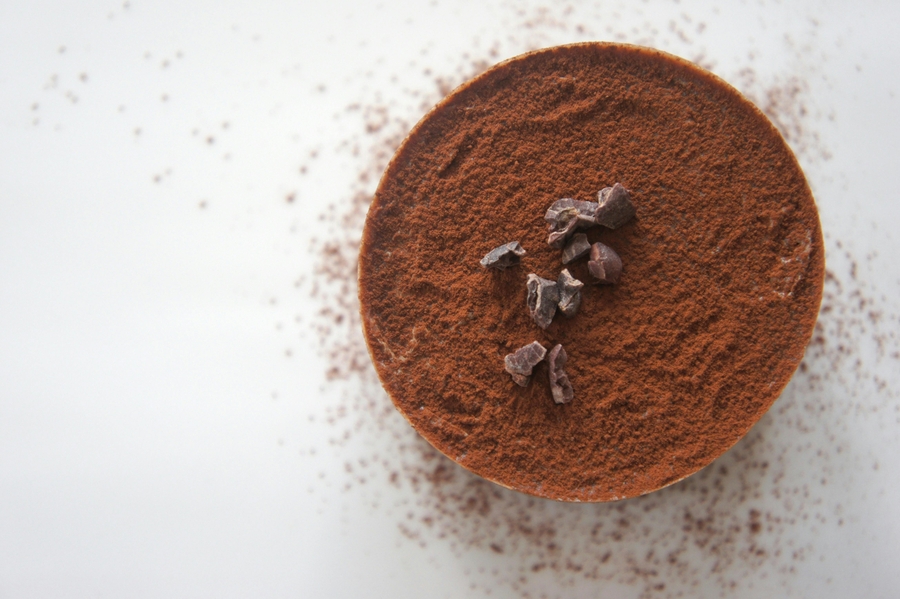

Indonesia has long been a major player in the global cocoa industry, ranking as the third-largest cocoa producer behind Ivory Coast and Ghana. With an annual production of approximately 667,296 metric tons, the country supplies both raw cocoa beans and processed cocoa products to global markets.
The industry has transformed, shifting from raw bean exports to domestic processing, with foreign investment accelerating growth. Indonesia’s cocoa processing sector was valued at USD 2.49 billion in 2021 and is projected to grow at a CAGR of 6.1% from 2021 to 2026.
Government incentives, an expanding domestic market for chocolate and confectionery, and increasing foreign direct investment have positioned Indonesia as a prime location for cocoa processing investment.
Government Initiatives and Key Cocoa-Producing Regions
The Indonesian government has implemented export taxes on raw cocoa beans to encourage local processing, making the country an attractive hub for value-added cocoa products such as cocoa butter, powder, and chocolate.
The country’s key cocoa-growing regions include:
- Sulawesi – The leading cocoa-producing region, supplying most of Indonesia’s raw beans.
- Sumatra – A growing production hub benefiting from government-supported farming programs.
- Papua – An emerging cocoa frontier with untapped production potential.
While weather conditions and crop diseases have impacted yield per hectare, ongoing investments in agricultural improvements aim to stabilize production.
Expanding Domestic Demand for Cocoa-Based Products
Indonesia’s domestic demand for cocoa-based products has increased steadily, fueled by the rising middle class and the growing popularity of chocolate and cocoa-infused products among younger consumers. The chocolate confectionery market is expected to expand from USD 947.4 million in 2023 to USD 1.27 billion by 2029, growing at a CAGR of 5%, while the bakery industry is also experiencing significant growth due to the increasing adoption of Western-style baked goods.
At the same time, changing consumer preferences have led to greater demand for premium and artisanal chocolate products, reflecting a shift toward higher-quality and ethically sourced cocoa.
Additionally, the growing health-conscious consumer base is driving interest in functional cocoa products, such as those that promote gut health, immunity, and overall wellness. These evolving market trends present lucrative opportunities for foreign investors in cocoa processing, especially those who can cater to the demand for high-quality, sustainable, and health-focused cocoa products.
Market Potential and Global Trade Position
Indonesia is a significant player in the global cocoa trade, exporting processed cocoa products primarily to the European Union, the United States, and China. Despite its large production, the country also imports some processed cocoa products to meet local demand for specialty ingredients.
Cocoa exports fluctuate depending on global prices, production levels, and international trade agreements, with Malaysia, the U.S., and China among the top buyers of Indonesian cocoa. However, price volatility remains a challenge, as cocoa prices reached USD 8,254 per metric ton in early 2025, influenced by supply chain disruptions, climate conditions, and rising production costs. This dynamic trade environment presents both opportunities and risks for investors, particularly those looking to capitalize on Indonesia’s growing reputation as a key cocoa processing hub.
Step-by-Step Guide to Entering Indonesia’s Cocoa Processing Industry
For foreign investors looking to establish a cocoa processing business in Indonesia, following a structured approach is essential. Below is a clear step-by-step guide outlining the process from market research to full-scale operations.
Step 1: Conduct Market Research and Feasibility Assessment
Understanding Indonesia’s cocoa market is crucial. This involves:
- Assessing demand and competition – Identify key players and market gaps.
- Studying domestic and export trends – Analyze demand from Indonesia’s chocolate industry and international buyers.
- Evaluating cocoa bean sourcing – Research reliable suppliers in Sulawesi, Sumatra, and Papua.
- Estimating costs and ROI – Assess initial investment costs, processing margins, and long-term profitability.
Step 2: Choose the Right Investment Structure
Foreign investors have multiple entry options, each with different advantages:
- Joint Ventures – Partnering with an Indonesian company can simplify regulatory compliance and provide easier access to local supply chains.
- Foreign-Owned Investment Company (PT PMA) – Establishing a wholly foreign-owned entity allows for full control but requires higher capital investment.
- Acquiring an Existing Cocoa Processing Facility – A faster entry strategy, reducing setup time and permitting delays while benefiting from an already established operation.
- Public-Private Partnerships – Some government-backed projects provide incentives for large-scale investment in cocoa processing.
Future Outlook for Cocoa Processing in Indonesia
Indonesia’s cocoa processing industry is expected to continue its upward trajectory, driven by increasing domestic and international demand for cocoa-based products. The growth of Indonesia’s middle class and expanding interest in premium chocolates are fueling local consumption, while foreign buyers continue to seek Indonesia’s processed cocoa for confectionery and food manufacturing.
Despite potential challenges such as climate risks, price fluctuations, and regulatory shifts, Indonesia remains an attractive investment destination for cocoa processing, offering long-term growth potential and significant export opportunities.
Work with Our Experts at MAP Resources Indonesia
At MAP Resources Indonesia, we specialize in market entry strategies, legal compliance, investment structuring, and operational support for foreign businesses.
Contact us today at info@mapresourcesindonesia.com to explore investment opportunities and establish your presence in Indonesia’s booming cocoa processing sector.