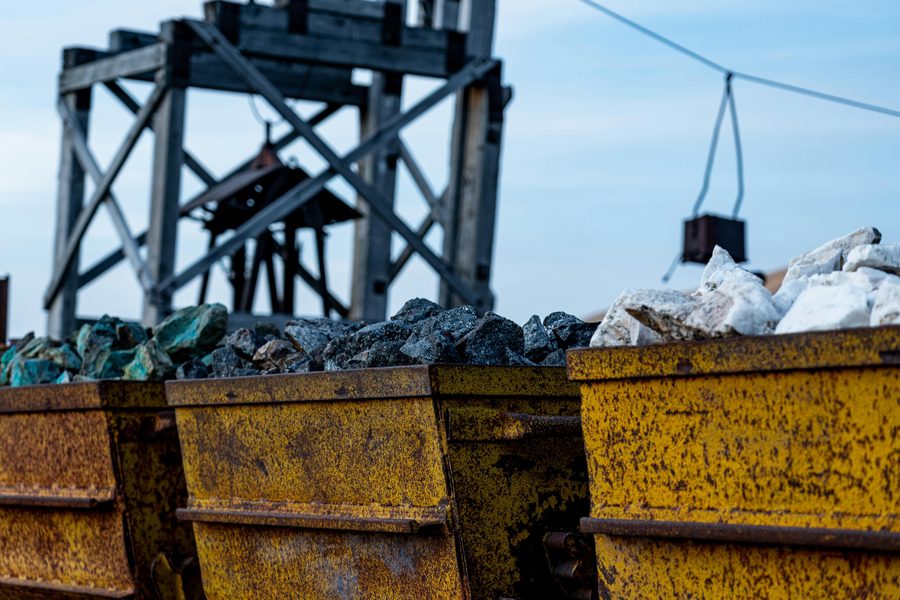

Indonesia is one of the world’s most resource-rich countries, boasting vast reserves of coal, nickel, gold, tin, and copper. The mining sector plays a crucial role in the national economy, contributing significantly to GDP, employment, and government revenue.
Foreign investment has historically been instrumental in developing Indonesia’s mining sector, with international companies bringing capital, technology, and expertise. However, regulatory shifts and increasing emphasis on domestic participation have transformed the investment landscape.
For foreign investors, understanding the complex licensing framework is essential to navigating the opportunities and challenges in Indonesia’s mining industry.
Key Mining Licenses for Foreign Investors
Foreign investors seeking to operate in Indonesia’s mining sector must obtain specific licenses, each with distinct regulatory requirements and limitations.
- Exploration Mining Business License (IUP) – Allows for general investigation, exploration processes, and feasibility studies. Valid for up to 8 years for metallic minerals, 7 years for coal and certain non-metallic minerals, and 3 years for non-metallic minerals and rocks.
- Exploration Special Mining Business License (IUPK) – Similar to the IUP but designated for special mining business areas. The validity period is the same as the IUP.
- Production Operation Mining Business License (IUP) – Issued after an IUP, enabling full-scale mining activities, including construction, mining, processing, transportation, and sales.
- Production Operation Special Mining Business License (IUPK) – Similar to the Production Operation IUP but issued directly by the Ministry of Energy and Mineral Resources (MEMR).
- Mining Business License for Special Production Operation for Processing and/or Purification – For businesses involved in buying, transporting, processing, and refining mineral or coal commodities. Valid for 30 years, extendable by 20 years.
- Mining Business License for Special Production Operation for Transport and Sales – Allows companies to buy, transport, and sell mineral or coal commodities. Valid for 5 years, extendable by 5 years.
- Mining Service Business License (IUJP) – Required for companies conducting core mining services at various stages of mining activities. Valid for 5 years, with possible extensions.
- Contract of Work (CoW) Legacy Issues – Historically issued to large mining firms, CoWs are gradually being replaced by IUPs under newer regulations.
- Coal Contracts of Work (CCoW) Conversions – Similar to CoWs, these legacy agreements are being phased out in favor of IUPs, requiring transition compliance for existing operators.
Recent regulatory changes under Government Regulation No. 25/2024 have introduced provisions allowing religious organizations to obtain special mining licenses, expanding access beyond traditional business entities.
Foreign Ownership Rules and Investment Structures
Indonesia has imposed foreign ownership restrictions to encourage domestic participation in the mining industry. The key regulation mandates that foreign-owned mining companies must gradually divest at least 51% of their shares to Indonesian entities.
- Divestment Timeline – Foreign investors must meet the divestment requirement within a specified period, generally ten years after production commences.
- Structuring Local Partnerships – Many foreign firms enter joint ventures with Indonesian partners or establish public listings to comply with divestment obligations while maintaining operational control.
- Publicly Listed Mining Companies – Foreign ownership regulations are more flexible for mining companies listed on the Indonesia Stock Exchange (IDX).
- Exceptions and Special Cases – Certain mining projects, especially those involving critical minerals and strategic investments, may qualify for special exemptions or extended divestment deadlines.
Foreign investors must consider these restrictions early in the investment process to ensure regulatory compliance and long-term viability.
Licensing Application Process and Compliance Requirements
The process of obtaining a mining license in Indonesia involves several steps, each requiring regulatory approval and strict compliance with legal frameworks:
- Initial Approval from the Investment Coordinating Board (BKPM) – Foreign investors must first obtain clearance from BKPM to proceed with mining license applications.
- Application Submission – Investors must submit a formal application, specifying the type of mining license they are seeking (IUP, IUPK, etc.).
- Technical and Financial Documentation – Applicants must provide detailed exploration plans, feasibility studies, and financial projections to demonstrate project viability.
- Environmental Impact Assessment (AMDAL) – A comprehensive environmental assessment is required to evaluate the project’s impact and outline mitigation strategies.
- Community Development and Social Programs – Investors must present plans for community engagement and local development initiatives to secure social acceptance.
- Regulatory Review and Approval – Relevant authorities, including the Ministry of Energy and Mineral Resources (MEMR), assess the application and supporting documents.
- Issuance of License – Once all regulatory requirements are met, the appropriate mining license is granted, allowing the investor to commence operations.
Financial and Operational Obligations for License Holders
Mining license holders in Indonesia are subject to various financial and operational obligations, which include:
- Royalty and Tax Payments – Mining companies must pay royalties based on production volumes and comply with corporate tax regulations.
- Domestic Market Obligations (DMO) – Certain minerals, such as coal and nickel, are subject to DMO policies requiring companies to allocate a portion of their output for local consumption.
- Processing and Refining Regulations – Indonesia has imposed strict requirements on in-country mineral processing before export.
- Environmental and Reclamation Bonds – License holders must allocate funds for land rehabilitation and environmental restoration after mining activities conclude.
- Community Development Contributions – Companies must invest in infrastructure, education, and social programs to benefit local communities.
Failure to comply with these obligations can result in penalties, license suspension, or revocation.
Processing and Refining Requirements: Navigating Indonesia’s Value-Addition Policy
Indonesia has enacted a ban on unprocessed mineral exports to encourage domestic value addition through smelting and refining. As part of this policy, companies must either invest in refining facilities or collaborate with domestic smelter operators to meet the required processing standards for different mineral types before they can receive export approval.
This has led many foreign investors to seek joint venture opportunities. While exemptions may be granted in certain cases, particularly where infrastructure limitations restrict processing capacity, the overarching regulations have reshaped investment strategies.
Ensuring a Smooth Investment Process in Indonesia’s Mining Sector
Our team at MAP Resources Indonesia specializes in guiding foreign investors through Indonesia’s complex regulatory landscape. Contact us today at info@mapresourcesindonesia.com to ensure a seamless investment process and compliance with mining regulations.