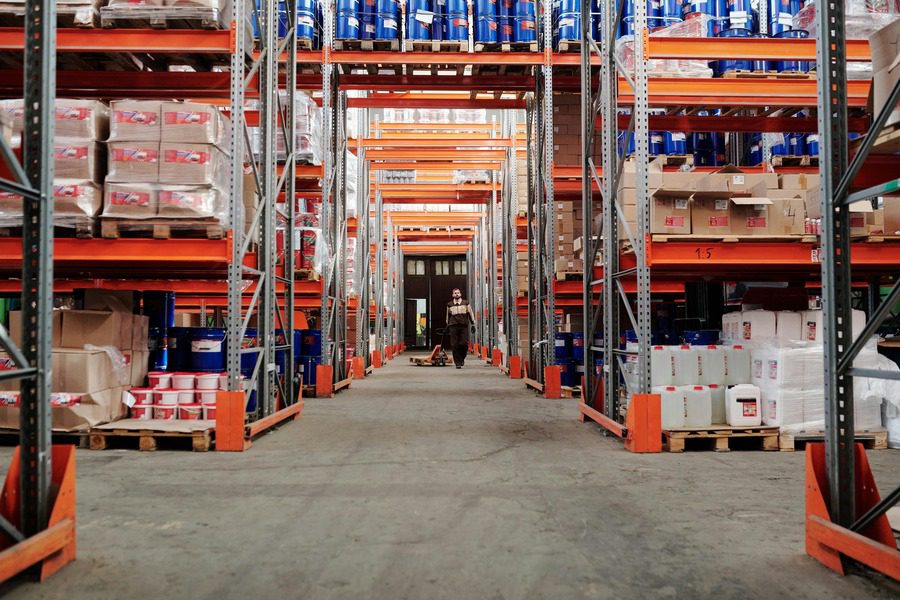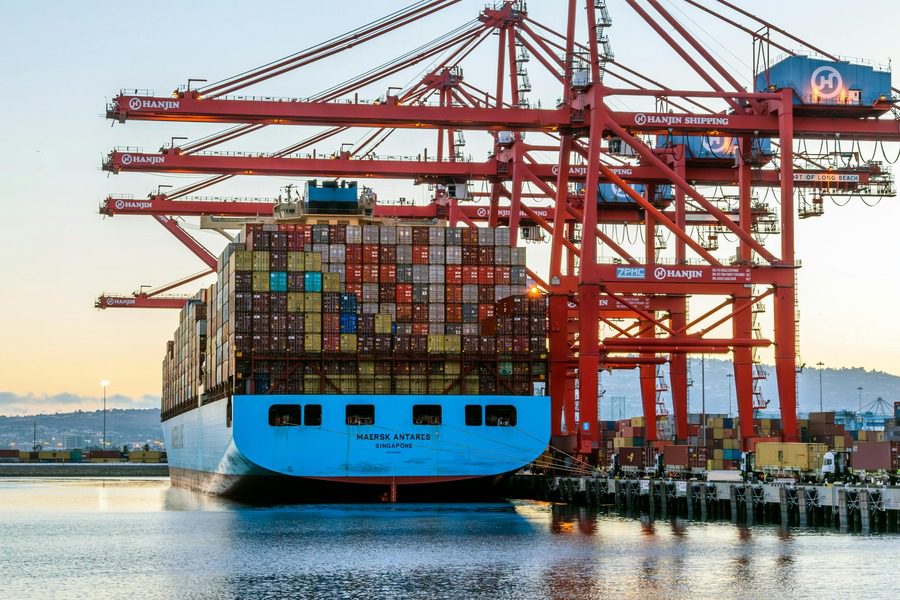

As Southeast Asia’s largest economy and an archipelagic nation of more than 17,000 islands, Indonesia faces unique logistical challenges that are rapidly being transformed into investment opportunities. With a logistics market expected to be valued at USD 131.2 billion in 2025 and contributing approximately 8% to national GDP, the sector is increasingly considered a backbone of Indonesia’s economic transformation.
The government’s push to develop infrastructure, strengthen digital integration, and reduce high logistics costs — which accounted for around 14% of GDP in 2024 — has opened the door for foreign investment. These reforms are further supported by regulatory liberalization, strategic public-private partnerships, and high e-commerce growth that fuels demand for faster and more reliable logistics solutions.
Understanding the Logistics Market Landscape
Indonesia’s logistics sector is growing steadily with a projected CAGR of 6.29 percent from 2025 to 2030. However, the country still ranks behind its ASEAN peers in logistics efficiency. According to the World Bank’s 2023 Logistics Performance Index (LPI), Indonesia ranked 61st globally, compared to Malaysia (32nd), Thailand (45th), and Vietnam (50th). These rankings highlight opportunities for investors to introduce innovative practices and technologies that can help bridge infrastructure and performance gaps.
Rising demand from domestic e-commerce, global trade flows, and regional supply chain integration is fueling sector expansion. Indonesia’s e-commerce gross merchandise value (GMV) is projected to reach USD 90 billion in 2024, with more than 2 million parcels delivered daily. This surge places increasing pressure on warehousing, last-mile delivery, and fulfillment capabilities — sectors that are in urgent need of modern solutions and foreign capital.
High-Potential Investment Segments
Several sub-sectors within Indonesia’s logistics landscape offer compelling investment cases. E-commerce fulfillment infrastructure, particularly in Greater Jakarta and Java’s industrial zones, is experiencing explosive growth. This includes warehousing, cross-docking hubs, and automation technologies.
Cold chain logistics is another rapidly growing niche. Valued at approximately USD 5.08 billion in 2023, this sub-sector faces significant gaps — nearly 30 percent of perishable goods lack adequate storage or distribution coverage. With rising exports in food, pharmaceuticals, and seafood, demand for temperature-controlled logistics is set to climb.
The country also has 110 commercial ports, with major expansion efforts like Patimban Port offering entry points for investors in interisland shipping and container handling. As of early 2025, Indonesia’s domestic ports handled around 1.3 million tons of interisland freight, a figure expected to rise as trade corridors expand.
Finally, the technology integration rate in Indonesia’s logistics sector remains low — just 6 percent penetration of digital logistics platforms as of 2024. This signals an untapped opportunity for foreign investors to bring in digital freight management tools, real-time tracking, AI-powered supply chain systems, and automated warehousing solutions.
Where to Invest: Regional Hotspots and Growth Corridors
Investors looking to enter Indonesia’s logistics sector should closely examine regional opportunities. Greater Jakarta continues to be the country’s logistics nerve center, offering proximity to industrial estates, major consumer markets, and international ports.
Surabaya, Makassar, and Balikpapan are strategic port cities showing strong potential due to ongoing infrastructure upgrades. Several Special Economic Zones (SEZs), such as Batam and Kendal, are also being developed with logistics clusters in mind, offering tax incentives and simplified licensing for investors.
Emerging economic corridors, especially in Sumatra and Eastern Indonesia, present longer-term opportunities tied to government infrastructure development plans and decentralization of industrial activities.
As regional opportunities expand, understanding the regulatory environment becomes essential for de-risking entry and ensuring compliance.
Navigating the Regulatory Landscape and Incentives
Indonesia has taken active steps to liberalize its logistics sector. Under the Positive Investment List, foreign investors are now permitted 100 percent ownership in key logistics sub-sectors:
- Warehousing and storage (KBLI 52101)
- Freight forwarding (KBLI 52292)
- Courier services (KBLI 53200), though often with MSME partnership requirements
- Distribution and wholesale activities (KBLI 46101–46900)
However, restrictions remain in strategic areas:
- Port operations (KBLI 52220) are capped at 49 percent foreign ownership
- Domestic sea and air transport are similarly limited to 49 percent
- Postal services (KBLI 53100) must remain majority locally owned
Additional incentives for logistics investment include tax holidays, import duty exemptions on capital goods, and support through the Online Single Submission (OSS) platform. Investors operating in SEZs may benefit from even more attractive terms, including extended tax breaks and customs facilities.
How to Enter the Market
Several routes exist for foreign investors aiming to tap into Indonesia’s logistics ecosystem. Joint ventures with local players remain common, particularly in sub-sectors with ownership limits or regulatory complexity. The acquisition of existing logistics providers can offer a faster route to market with built-in assets and market share.
Greenfield investments are well-suited for building customized infrastructure, such as cold storage warehouses or technology-integrated fulfillment centers. Licensing models and partnerships with technology firms also allow for scalable entry into digital logistics without heavy capital deployment.
Risks and Considerations
Despite these opportunities, investors must be mindful of several challenges. Infrastructure gaps persist in many parts of the country, particularly outside Java and Sumatra. Bureaucratic delays and local-level regulatory inconsistencies can increase compliance costs.
Foreign firms may also face stiff competition from entrenched local operators and must adapt to a labor market that still lacks widespread logistics management expertise. Operational inefficiencies, ranging from port congestion to fragmented delivery networks, also require robust mitigation strategies.
The Road Ahead: Outlook for Indonesia’s Logistics Sector
Indonesia’s logistics sector is on a transformative path. Government-backed infrastructure development, combined with regional integration through ASEAN supply chains, will continue to fuel growth. Digitalization, green logistics initiatives, and the expansion of bonded logistics centers will also reshape the industry over the next five years.
Looking forward, the sector’s evolution will be closely tied to Indonesia’s National Logistics Ecosystem (NLE) roadmap and its integration with ASEAN’s digital logistics systems. These initiatives aim to reduce dwell times, streamline cross-border logistics, and increase competitiveness across all transport modes.
With a rapidly growing consumer base and strategic positioning along global trade routes, Indonesia offers a compelling case for foreign logistics investors willing to navigate its complexities and capitalize on long-term trends.
Partner with Logistics Experts in Indonesia
Work with our consultants at MAP Resources Indonesia to explore logistics investment opportunities, navigate regulatory frameworks, and identify trusted local partners to accelerate your market entry. Contact us today at info@mapresourcesindonesia.com.