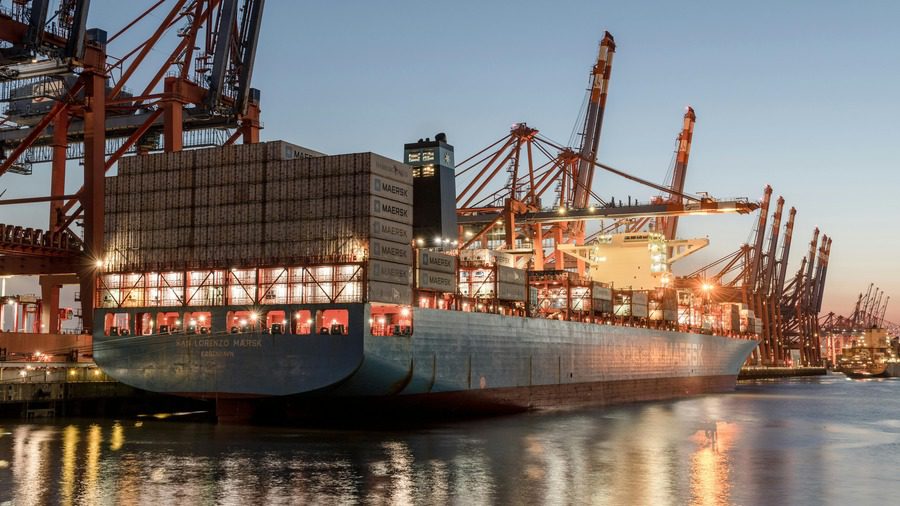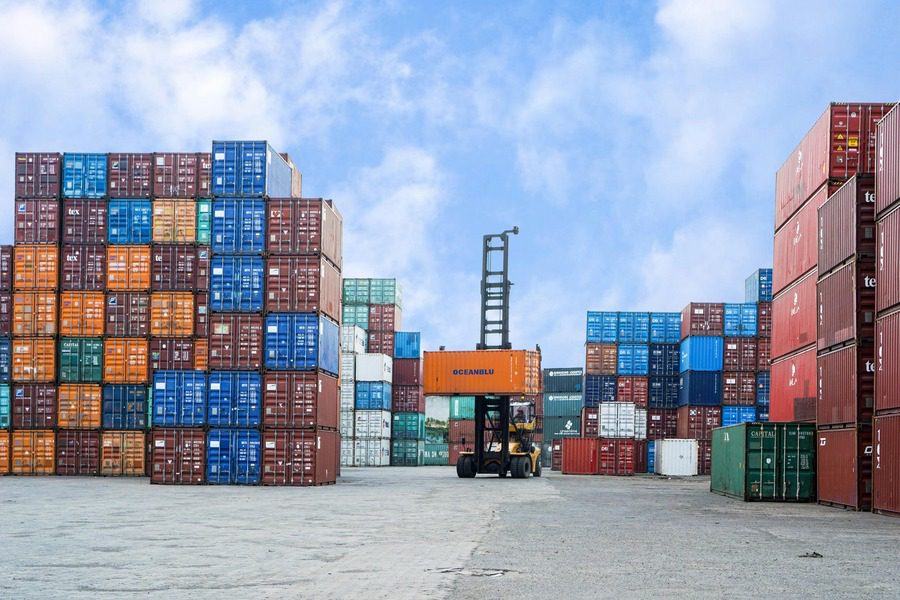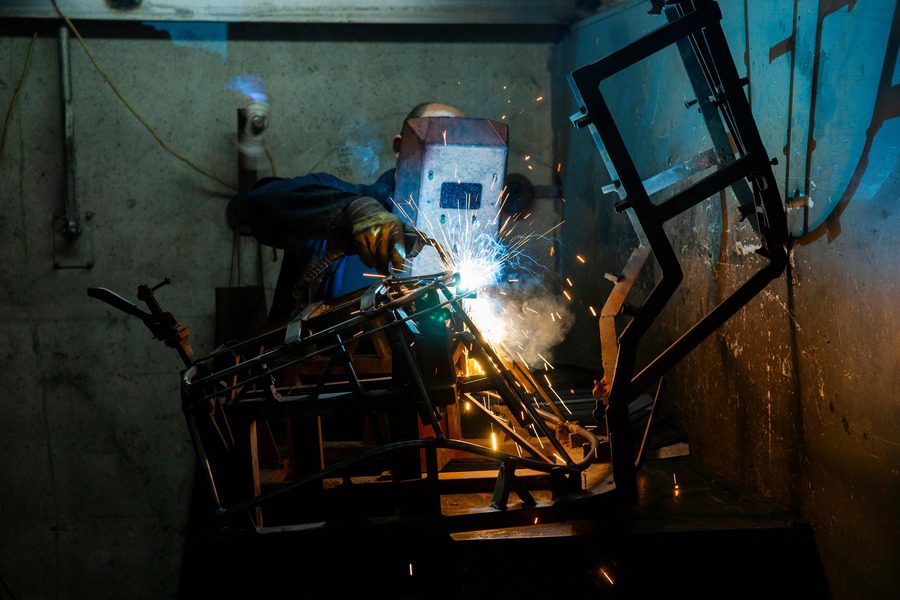

Indonesia has emerged as one of Southeast Asia’s most promising destinations for manufacturing investment. The country offers access to a large domestic market, abundant labor, and a growing network of international trade agreements. Government initiatives such as the Making Indonesia 4.0 roadmap and the Omnibus Law have further streamlined investment procedures, while offering incentives for high-value industries like electronics, automotive, textiles, and food processing.
Foreign investors are now presented with real opportunities to build manufacturing capacity in Indonesia, provided they can navigate the country’s legal, regulatory, and operational landscape.
Establishing a Foreign-Owned Company in Indonesia
Before selecting a factory location or importing equipment, foreign investors must establish a legal presence in Indonesia by forming a PT PMA, or a foreign-owned limited liability company.
The PT PMA structure allows up to 100 percent foreign ownership in most manufacturing sectors, depending on Indonesia’s Positive Investment List. Investors must secure approval from the Ministry of Law and Human Rights, obtain a Business Identification Number (NIB), and meet minimum paid-up capital requirements. This step is essential for accessing tax incentives, applying for licenses, and entering contractual relationships in Indonesia.
Choosing the Right Location and Industrial Zone
Once the legal entity is established, the next critical step is determining where to locate your manufacturing operations. This decision has long-term implications for cost, logistics, and access to government support. Indonesia offers a variety of industrial zones, including Special Economic Zones (SEZ), bonded zones, and state-backed industrial estates — each designed to attract specific types of investors. These zones provide varying degrees of tax incentives, customs privileges, and streamlined licensing processes.
Beyond regulatory benefits, infrastructure readiness, such as access to ports, highways, and logistics hubs, can differ widely by province. Labor availability, skill levels, and wage standards also vary across regions, with some local governments offering additional incentives to attract strategic industries and generate employment.
Understanding Land Rights for Foreign-Owned Manufacturers
Foreign investors looking to build manufacturing facilities in Indonesia must understand that land ownership is restricted under national law. Even through a PT PMA, companies are not permitted to own land under the freehold title (Hak Milik), which is reserved for Indonesian individuals and certain legal entities.
Instead, PT PMAs can acquire long-term land use rights such as Hak Guna Bangunan (HGB), which translates to the Right to Build. HGB is the most used title for industrial purposes and allows companies to construct and operate facilities on the land for an initial period of up to 30 years, with extensions bringing the total tenure to 80 years. These rights are fully transferable, can be sold, and are legally recognized as collateral by Indonesian financial institutions.
Need help with land rights or site selection? MAP Resources Indonesia guides foreign manufacturers through every setup stage. Contact us today.
Another available title is Hak Pakai (Right to Use), which is typically applied in non-commercial or smaller-scale scenarios, though it may be granted for commercial purposes under special conditions.
Many industrial estates, bonded zones, and Special Economic Zones (KEK) offer land that has already been prepared for HGB status, significantly reducing the administrative burden. Companies should also consider whether the land is located in a strategic area with government-backed infrastructure support, which can impact future expansion or resale value.
Due diligence on land title, permitted usage, zoning, and environmental conditions is critical before acquisition. Working with local advisors and notaries can help ensure land rights are properly documented and registered to protect the investor’s long-term interests.
Navigating Indonesia’s Licensing and Permit Requirements
Foreign investors must comply with a multi-layered licensing regime. The core requirement is securing a Business License through the Online Single Submission (OSS) system.
For manufacturing activities, an Environmental Impact Assessment (AMDAL or UKL-UPL) may be required depending on the size and nature of the project. Construction activities require building permits and safety approvals, while machinery imports must be accompanied by appropriate import licenses. Before operations can commence, companies must also obtain permits for fire safety, sanitation, and facility use from local authorities.
Understanding Tax Incentives and Fiscal Benefits
Indonesia offers an extensive range of fiscal incentives to attract foreign manufacturers. Investors may qualify for corporate income tax holidays, investment allowances, and accelerated depreciation for eligible assets. Strategic industries and projects located in Special Economic Zones often benefit from import duty exemptions on capital goods and VAT deferrals.
However, tax planning must consider Indonesia’s transfer pricing regulations, which follow OECD guidelines. Proper documentation and intercompany pricing policies are crucial to avoid disputes during audits or tax investigations.
Complying with Labor and Employment Laws
Manufacturers must comply with Indonesia’s evolving labor laws, which protect employee rights and outline employer obligations. Companies are required to contribute to the BPJS (social security) system and adhere to provincial minimum wage rates. Hiring foreign workers involves securing work permits, and approval is granted only when local talent is unavailable. Industrial relations can also be complex, particularly in regions with active labor unions.
Engaging a local HR advisor early on helps avoid missteps and ensures compliance with employment contracts, termination procedures, and workforce safety standards.
Setting Up Utilities and Facility Infrastructure
Establishing a manufacturing facility requires coordination with local utility providers.
Electricity connections must be arranged through state-owned PLN or local energy providers, and large-scale users may be required to negotiate power purchase agreements. Water supply and wastewater management must meet regional environmental standards, especially for industries with intensive usage.
Telecommunications and internet infrastructure are well-developed in major industrial corridors, supporting automation and real-time supply chain coordination.
Meeting Product Certification and Trade Regulations
To legally distribute goods within Indonesia or export to foreign markets, manufacturers must comply with national and international standards. Many goods must be certified under Indonesian National Standards (SNI) before they are sold locally.
Exporters are required to register with the Ministry of Trade and follow customs procedures, particularly if operating in bonded zones or using bonded logistics centers. Import procedures for raw materials and components should also be carefully managed to ensure customs compliance and to access available duty exemptions.
Ensuring Environmental and Workplace Safety Compliance
Ongoing compliance with environmental and safety standards is critical for maintaining operational licenses. Companies are required to monitor and report air emissions, water usage, and waste disposal practices to local authorities. Industrial activities are subject to periodic environmental audits, and non-compliance can result in sanctions or plant shutdowns. Health and safety protocols must also be in place, including fire prevention systems, worker protection equipment, and emergency response measures. Regular inspections are conducted by regional safety and labor offices.
Managing Financial Operations and Profit Repatriation
Foreign manufacturers must open corporate bank accounts with local banks authorized by Bank Indonesia. Currency control regulations require that all domestic transactions be conducted in Indonesian rupiah, though repatriation of profits and dividends in foreign currency is permitted once taxes are settled.
Investors should also familiarize themselves with hedging options to manage currency volatility and consider engaging local financing institutions or development banks for project funding. Insurance coverage for assets, employees, and operational risks is highly recommended and, in many cases, mandatory.
Preparing for Common Challenges and Risk Mitigation
Operating in Indonesia presents unique challenges that require strategic mitigation. Bureaucratic delays can occur at the provincial or district level, particularly for permits and inspections. Currency fluctuations and evolving regulations may impact profitability, and sourcing raw materials locally can be difficult depending on the sector. Language barriers and differing business cultures may lead to misunderstandings during negotiations or implementation. Investors should conduct in-depth due diligence, appoint experienced local partners or consultants, and establish internal compliance frameworks from the outset.
Partner With MAP Resources Indonesia
MAP Resources Indonesia helps foreign manufacturers navigate the complexities of setting up operations in the country. Contact us today at info@mapresourcesindonesia.com to begin your investment journey with confidence and clarity.